Of the twelve concerts in Shakira’s Madrid residency, six have already taken place. The remaining shows are on October 2, 3, and 4, and October 9, 10, and 11, with an estimated 57,000 people each night, according to the Madrid City Council’s mobility plan. Hotel reservations in the city have risen by 14.8%, and the average rate stands at 339 euros, according to Forbes España. For restaurants, demand isn’t spread out throughout the day: it peaks before they open their doors and again after midnight.
Madrid is experiencing something it has never experienced before, and it’s already halfway through. Of the twelve concerts on Shakira’s European leg of the *Las Mujeres Ya No Lloran* World Tour, six remain.
For the restaurant industry, these are two weekends of extraordinary demand, and the question isn’t whether customers will come, but whether your restaurant will be ready to serve them well. Here are some tips
Upcoming Dates
There are six concerts remaining: Friday, October 2; Saturday, October 3; and Sunday, October 4; and Friday, October 9; Saturday, October 10; and Sunday, October 11. The first six concerts have already taken place on September 18, 19, and 20, and September 25, 26, and 27. All are taking place at Shakira Stadium, built specifically for the occasion within the Iberdrola Music complex in Villaverde.
| Weekend | Dates | Status as of September 29 |
|---|---|---|
| 1 | September 18, 19, and 20 | Celebrated |
| 2 | September 25, 26, and 27 | Celebrated |
| 3 | October 2, 3, and 4 | Earrings |
| 4 | October 9, 10, and 11 | Earrings |
And the schedules—which are the information that will really help you plan your visit. The venue opens at 3:30 p.m., Macondo Park at 4:00 p.m., and the stadium at 6:30 p.m., according to the guide published by Madrid24horas on September 21, 2026. The concert starts at 8:30 p.m. and the venue closes at 12:15 a.m.
Those times are more important than any other figures in this article, because they indicate when people will be hungry. They reveal two clear peaks: early lunches and dinners before the concert, and the late-night crowd.
What the first six concerts have already left behind
The figure is impressive, but it makes more sense when broken down. The Madrid City Council estimates about 57,000 attendees per concert in its mobility plan, which means more than 600,000 spectators over the course of the twelve days.
Economist Albert Guivernau estimates the direct economic impact of the residency program at between 150 and 200 million euros, and between 210 and 340 million if the effects on suppliers, employment, and consumption are factored in, according to a report in *El Diario de Madrid* on September 19, 2026.
In the lodging sector, the effect is more noticeable in prices than in occupancy rates:
| Indicator | Fact | Source |
|---|---|---|
| Hotel Reservations Through 2025 | +14,8% | Forbes Spain, September 19, 2026 |
| Average daily rate | 339 € (+19.7%) | Forbes Spain, September 19, 2026 |
| Searches for stays from September 18 to October 11 | +56% | El Diario de Madrid, September 19, 2026 |
| Searches for the weekend of October 9–12 | +74,9% | El Diario de Madrid, September 19, 2026 |
| Train trips to Madrid from September 18 to 20 | +38% | El Diario de Madrid, September 19, 2026 |
| Expenditures per National Assistant | 500 to 700 € | Forbes Spain, September 19, 2026 |
And here’s the stat that’s most relevant to you: *El Diario de Madrid* reports that bars and restaurants are expected to see up to a 16% increase in revenue during the concert dates.
Take a look at one row in that table. Last weekend, October 9–12, had the highest number of accommodation searches—nearly 75% more. If your business hasn’t noticed anything yet, those three nights are the ones you need to prepare for.
What kind of customers come in?
More than 600,000 spectators do not all come from Madrid. With an average ticket price of 339 euros and spending per attendee ranging from 500 to 700 euros, we’re talking about people who travel, stay overnight away from home, and have busy schedules.
More tourists, more languages: A multilingual digital menu is no longer a nice-to-have—it’s a necessity.
More people: Concerts are best enjoyed with a group of friends, and large groups are exactly the ones that have the most trouble ordering and paying. With table ordering and payment, everyone orders what they want, and the bill is split without any drama.
More of a rush: Park in the late afternoon, concert at night, and back in the early morning. Every minute you save at your venue counts.
Where it shows, area by area
Not all of Madrid is experiencing the same effect.
Before the concert, in Villaverde. Starting in the early afternoon, crowds have been gathering near the venue, in Laguna Dalga, and in the areas around Villaverde Alto and San Cristóbal. These are people who are eating before going in or who prefer not to pay the venue’s prices.
Along Metro Line 3. Metro has increased its service by up to 260%, according to Forbes España, particularly on Lines 3 and 12, with service running until 1:30 a.m., according to Metro de Madrid. Line 3 runs through downtown, so businesses near its downtown stations welcome customers who dine downtown and then take the subway home afterward.
After the concert, at Atocha. There are free shuttle buses running from 11:00 p.m. to 2:00 a.m. from Gran Vía de Villaverde, with stops at Legazpi and Atocha. This leaves thousands of people in Atocha between midnight and 2:00 a.m., many of whom haven’t had dinner. Businesses in that area that stay open late benefit from a customer base during those hours that doesn’t exist on other weeks.
Hotel districts. With those rates, some visitors stay far from downtown. Their breakfasts, Saturday lunches, and Sunday vermouth are enjoyed where they’re staying, not where the concert is taking place.
Macondo Park: The Opportunity Begins in the Afternoon
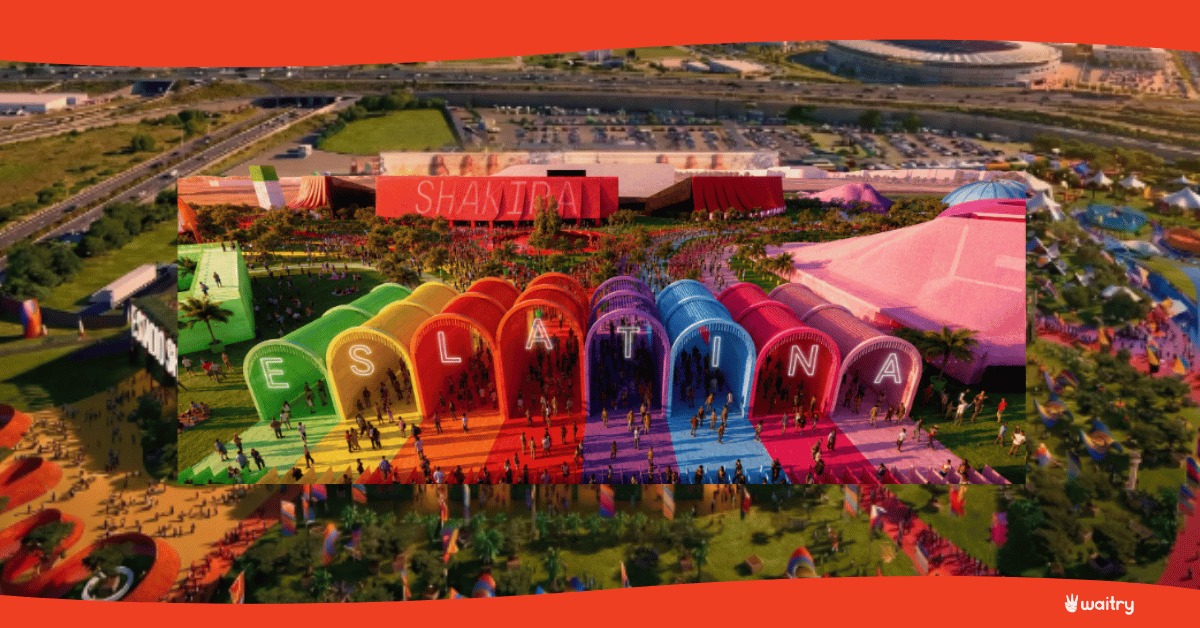
Surrounding the stadium, Shakira has created Macondo Park, named after the fictional town in García Márquez’s *One Hundred Years of Solitude*: 30 hectares featuring cuisine curated by Seville-based chef Rafa Zafra, concerts, literature, fashion shows, a museum, a children’s area, and a carnival, according to Infobae on September 14, 2026.
This has two implications for a restaurant. First, Latin culture is all the rage this month: if your menu includes a Latin-inspired dish—an arepa, ceviche, a mojito, or Colombian coffee—you’ll be speaking the same language as your customers.
Second, there are a lot of people who won’t be entering the park. Tickets aren’t sold just for Macondo Park. Guests, families waiting outside, fans without tickets, and tourists visiting Madrid for the event will be looking for that atmosphere elsewhere. Your restaurant could be that place.
Goiko, from inside the concert
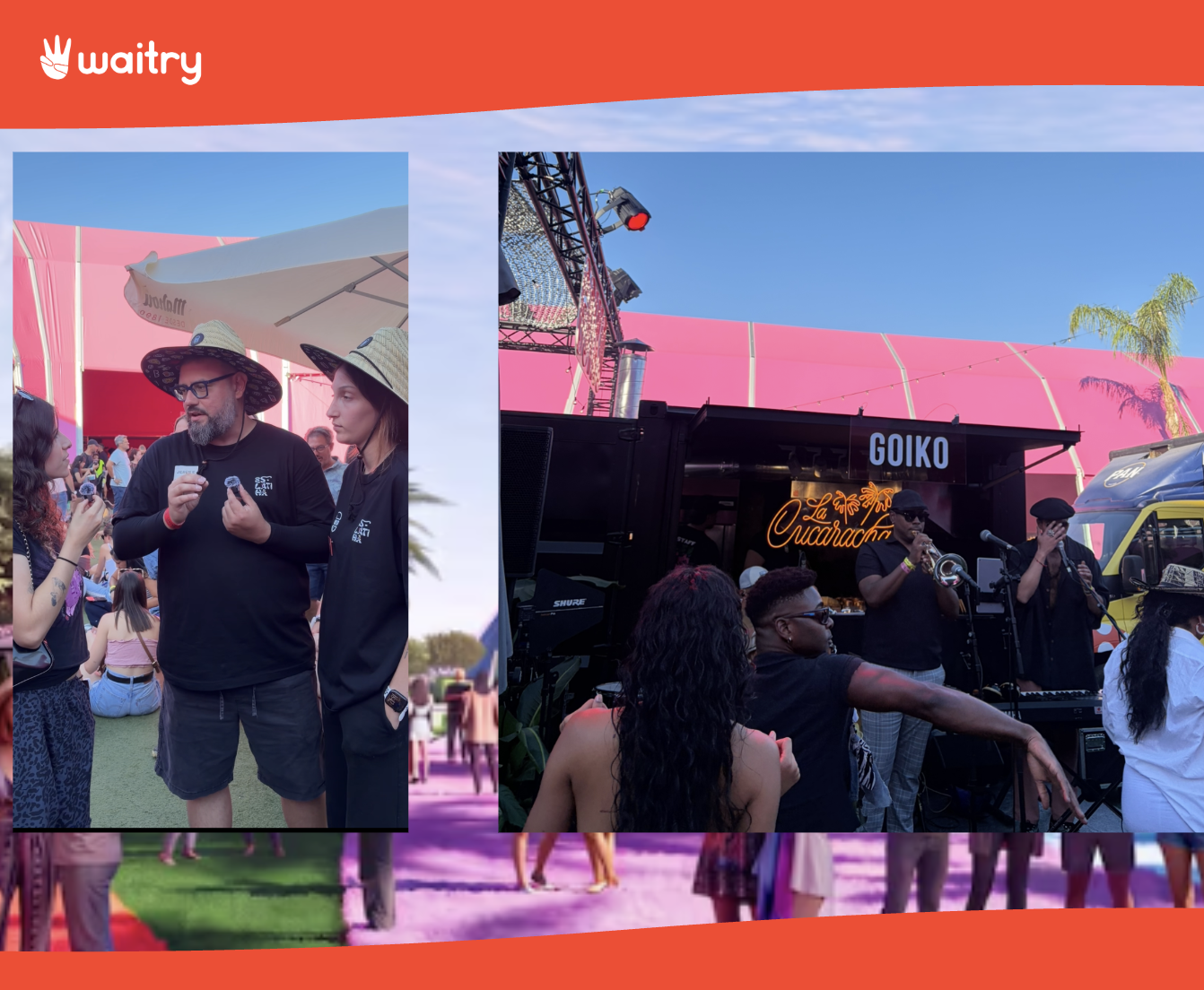
Goiko is one of the residence’s main sponsors, and its sponsorship goes beyond just food: it also supports the artistic side of the event, alongside groups like La Cucaracha Band. We wanted to ask them how a chain prepares for a peak like this.
“At Goiko, we continue to strengthen our position as an innovative brand, not only through our participation in large-scale events, but also by investing in technology that allows us to tackle those challenges more efficiently.”
From our end, we can add this technical detail: Goiko handles the demand during these evenings using OmniKDS, Waitry’s kitchen console. Orders from the dining room, takeout, and delivery all appear on the same screen, sorted by time, and each station sees only what it’s supposed to prepare.
When orders come in within an hour and a half, the difference between an order that stays in a pocket and one that appears on the screen is a customer who arrives on time at the door.
Goiko is a chain with experience handling peaks in demand. What’s interesting about their response is that the challenge they describe is the same one any neighborhood establishment in Villaverde is facing these weeks—only on a different scale.
What to Do During These Two Weeks
If you have one or two locations, you don’t need to sponsor anything. You just need to make sure the rush doesn’t overwhelm you.
Look at the clock at the concert, not your own. Your peak hours these nights aren’t the usual ones. If you’re near the venue, it’s mid-afternoon. If you’re at Atocha, it’s from midnight to 2:00 a.m. Adjust your shifts to those time slots.
Cut the menu down to those hours. A short menu with dishes that come out quickly reduces the time per order and minimizes errors. People who go to a concert aren’t looking for a dish that takes twenty-five minutes to arrive.
Separate pickup from dine-in service. With mobile takeout orders, customers can place their orders and pay before they arrive, allowing you to prepare them in the correct order.
Make sure the kitchen has everything in one place. The most costly mistake at a pickup location is an order that gets left in a pocket or on a delivery tablet that no one checks. A kitchen dashboard consolidates all channels into a single queue and shows how long each order has been waiting.
Manage the entrance. When a group of eight arrives and there’s a line, the digital waiting list notifies them via WhatsApp when a table is available.
Save the contact. Many of these customers are from out of town and won’t be back until the next concert. Some will. A loyalty program lets you invite them to come back.
None of this requires you to change your POS system. Waitry integrates with more than 100 platforms, including POS, delivery, payment, and CRM systems, so whatever you’re already using will continue to work.
Frequent questions
What Shakira concerts are still available in Madrid?
Six: October 2, 3, and 4, and October 9, 10, and 11, at the Shakira Stadium at the Iberdrola Music complex in Villaverde.
What time does the concert start and end?
The venue opens at 3:30 p.m., Macondo Park at 4:00 p.m., and the stadium at 6:30 p.m. The concert starts at 8:30 p.m., and the venue closes at 12:15 a.m.
How much money will the concerts generate?
Economist Albert Guivernau estimates the direct economic impact at between 150 and 200 million euros, and the total impact—including indirect effects—at between 210 and 340 million euros, according to *El Diario de Madrid* on September 19, 2026.
How much have hotel rates gone up in Madrid?
Bookings have risen 14.8% compared to the same period in 2025, and the average daily rate stands at 339 euros, up 19.7%, according to Forbes Spain.
How much can a restaurant overcharge?
El Diario de Madrid reports that bars and restaurants are projected to see up to a 16% increase in revenue during the concert dates. This is an industry forecast, not a guarantee for any specific establishment.
Do I have to replace my POS terminal?
No. Waitry integrates with over 100 platforms, so the kitchen console, takeout orders, and digital queue all work with the system you already have.
Let your restaurant fill stadiums, too
Six nights ahead, about 57,000 people each night, a Latin-themed amusement park, and the weekend with the highest number of hotel searches still to come. The restaurants that make the most of these two weeks won’t necessarily be the biggest ones, but the most agile ones.
With Waitry, your digital menu, ordering, and table-side payment work together so you can serve more tables and your customers can make it to their concert on time. Because your hips don’t lie—and neither do your sales figures.